Behind the Scrubs: How City Hospital Damoh's Caregivers Sustain the Heart of Compassionate Medicine
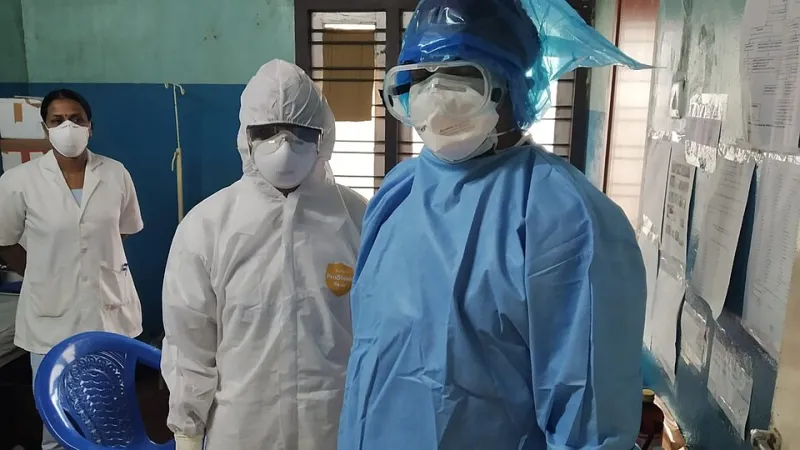
Photo: Javed Anees, CC0, via Wikimedia Commons
There is a quiet truth that most patients never see: the nurse who held your hand during a difficult diagnosis went home to her own anxieties. The physician who explained your treatment plan with calm precision did so after a twelve-hour shift. The orderly who offered a reassuring smile had already offered that same gesture to dozens of others before you.
Healthcare is, at its core, a deeply human endeavor — and that humanity has a cost. Across the United States, burnout among medical professionals has reached levels that public health researchers describe as a silent crisis. According to data from the American Medical Association, more than half of physicians reported at least one symptom of burnout in recent years, with nurses and allied health workers facing similarly alarming rates. At City Hospital Damoh, leadership recognized that sustaining the hospital's foundational promise — Compassionate Care for Every Life — required investing not just in equipment and clinical protocols, but in the people who make that promise real.
The Weight That Caregivers Carry
Healthcare professionals are trained to be resilient. They study for years, endure demanding residencies, and develop a professional composure that serves their patients well. But resilience, without proper support, can quietly erode.
Dr. Priya Mehta, an internist at City Hospital Damoh with over a decade of clinical experience, describes it plainly: "You learn early in your career to compartmentalize. You have to, or you cannot function. But compartmentalization is not the same as processing. At some point, what you haven't addressed begins to surface."
For many healthcare workers, that surfacing comes as fatigue, detachment, or a diminished sense of purpose — the hallmark signs of occupational burnout. And critically, research published in the Journal of Patient Safety has consistently linked provider burnout to measurable declines in patient safety outcomes, including increased rates of medical errors, reduced patient satisfaction scores, and higher rates of hospital-acquired complications.
The connection is not incidental. When caregivers are emotionally depleted, the quality of care they can offer is compromised — not because they stop caring, but because sustained empathy without recovery is physiologically unsustainable.
Building a Culture of Wellness from the Inside Out
City Hospital Damoh has taken a deliberate approach to addressing this challenge. Rather than treating staff wellness as a peripheral benefit, the hospital has integrated it into its operational philosophy. The premise is straightforward: a caregiver who feels supported is a caregiver who can genuinely support others.
Among the initiatives the hospital has implemented are structured peer support circles — small, confidential groups in which clinical staff meet regularly to discuss the emotional dimensions of their work. These sessions are facilitated by trained mental health professionals and are designed to provide a space where staff can speak honestly without fear of professional judgment.
"There is an old culture in medicine that equates asking for help with weakness," says charge nurse Samuel Okafor, who has worked in the hospital's surgical unit for seven years. "What we are building here is the opposite of that. Asking for support is part of doing this job well."
The hospital has also introduced flexible scheduling models that allow clinical staff greater agency over their hours, reducing the chronic sleep disruption that has long been a fixture of hospital work. Quiet rooms — spaces designated for decompression rather than clinical activity — are available on each floor, offering staff a place to pause between demanding patient interactions.
Compassion Fatigue Is Real — and Treatable
One of the more significant cultural shifts at City Hospital Damoh has been the open acknowledgment of compassion fatigue as a legitimate clinical concern. For years, the concept was discussed primarily in academic literature. Today, it is part of the conversation at staff orientations, department meetings, and annual reviews.
Compassion fatigue differs from general burnout in an important respect: it is specifically tied to the emotional labor of caring for others who are suffering. Nurses who work in oncology, pediatrics, or emergency medicine are particularly vulnerable, as their work brings them into repeated contact with acute human distress.
The hospital's Employee Assistance Program now includes dedicated resources for compassion fatigue, including one-on-one counseling sessions, mindfulness-based stress reduction workshops, and access to an anonymous digital support platform that staff can engage with outside of working hours.
Respiratory therapist Ananya Singh, who transitioned to City Hospital Damoh after working at a larger urban medical center, notes the difference: "At my previous hospital, wellness programs existed on paper. Here, they exist in practice. My supervisor checks in with me after difficult cases. That sounds small, but it is not."
How Staff Wellbeing Shapes Patient Experience
The investment in caregiver wellness is not purely altruistic — it is strategic, and the evidence supports it. Hospitals with robust staff wellness programs consistently report higher patient satisfaction scores, lower rates of staff turnover, and improved clinical outcomes.
At City Hospital Damoh, patient feedback has reflected these trends. In surveys conducted over the past year, patients repeatedly cited the attentiveness, warmth, and communicativeness of hospital staff as distinguishing features of their care experience. These are not accidental qualities. They are the byproducts of a workforce that feels seen, valued, and equipped to do its work sustainably.
"When I am not running on empty, I can actually listen to my patients," says Dr. Mehta. "I can notice the things they are not saying. I can sit with them in their uncertainty instead of rushing to fill the silence with clinical information. That is when real care happens."
A Mission That Begins With People
City Hospital Damoh's commitment to Compassionate Care for Every Life has always been about more than clinical excellence. It is about the quality of human connection that occurs within these walls — between patient and provider, between colleague and colleague, between the hospital and the community it serves.
Sustaining that connection requires acknowledging that caregivers are not machines. They are people who chose a demanding profession out of genuine dedication, and they deserve an institutional environment that honors that dedication with more than words.
The work of building such an environment is ongoing. There is no finish line in the cultivation of a healthy workplace culture. But at City Hospital Damoh, the direction is clear: care for those who care for others, and the mission will take care of itself.
If you are a patient at City Hospital Damoh, know that the team treating you is supported, sustained, and deeply committed to your wellbeing. And if you are a healthcare professional exploring career opportunities, we invite you to learn more about what it means to work within a culture that takes your health as seriously as your patients' lives.