Doctor Visits Without the Drive: A Practical Guide to Telehealth Services for Damoh-Area Patients
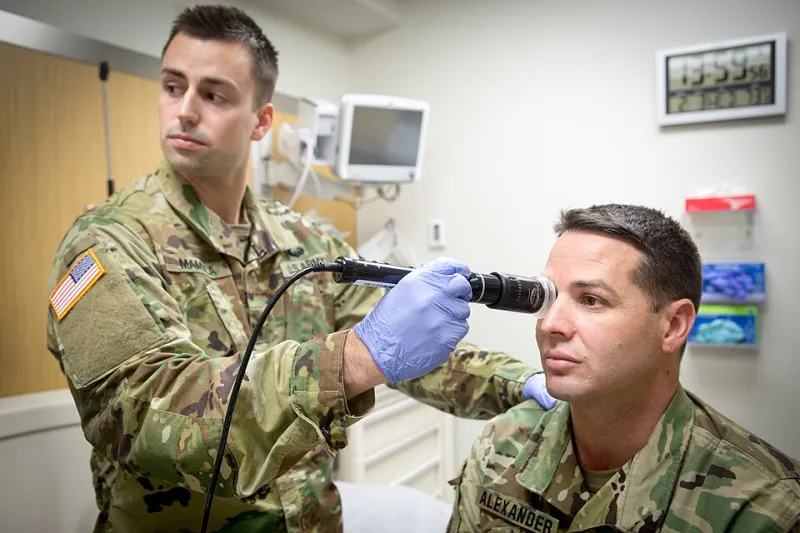
Photo: David Gillespie, Public domain, via Wikimedia Commons
Not long ago, receiving medical care meant one thing: getting in a car, traveling to a clinic or hospital, sitting in a waiting room, and hoping the appointment would not run too long. For residents of smaller cities and rural communities across the United States, that journey often meant something more — longer distances, limited appointment availability, and the quiet frustration of healthcare that felt just out of reach.
Telehealth has begun to change that equation in meaningful ways. What started as a niche service used primarily for mental health consultations has expanded into a broad clinical tool capable of supporting everything from dermatology screenings to diabetes management, pediatric check-ins to post-surgical follow-ups. For patients in communities like Damoh, the implications are significant.
At City Hospital Damoh, we recognize that access to care should not be determined by geography, transportation, or the demands of a busy work schedule. This guide is designed to help you understand when virtual care makes sense, how to prepare for a telehealth appointment, and what services are available through our facility.
What Telehealth Actually Means
The term "telehealth" is broad, and it is worth clarifying what it encompasses. At its most basic, telehealth refers to the delivery of healthcare services through digital communication technologies — video calls, phone consultations, secure messaging platforms, and remote monitoring devices.
A telehealth visit might look like a video call with your primary care physician to discuss lab results. It might involve a nurse practitioner reviewing your blood pressure readings transmitted from a home monitoring device. Or it might be a real-time consultation with a specialist located in another city, accessed from your living room.
What telehealth is not is a replacement for all in-person care. Physical examinations, diagnostic imaging, laboratory work, and surgical procedures require your physical presence. The goal of telehealth is not to eliminate the clinic visit, but to ensure that when an in-person visit is unnecessary, patients are not burdened with one.
When a Virtual Visit Makes Clinical Sense
One of the most common questions patients ask is straightforward: Should I come in, or can I do this online?
The answer depends on the nature of your concern. Telehealth is generally well-suited for the following situations:
Routine follow-up appointments. If you have recently been discharged from the hospital or completed a course of treatment, a follow-up visit to discuss your recovery and review any concerns can often be conducted virtually.
Chronic disease management. Patients managing conditions such as hypertension, type 2 diabetes, asthma, or thyroid disorders frequently require regular check-ins that do not always necessitate a physical examination. Virtual visits allow for consistent monitoring without the logistical burden of repeated travel.
Mental health support. Telepsychiatry and telehealth counseling have demonstrated strong clinical effectiveness, and many patients find that the privacy of a home setting actually facilitates more open conversations with mental health providers.
Minor acute concerns. Symptoms such as a mild rash, a sore throat, a urinary tract infection, or questions about a new medication can often be evaluated and addressed through a video consultation.
Prescription management. Refill requests, medication adjustments, and discussions about side effects are well-suited to the telehealth format.
Conversely, telehealth is not appropriate when you are experiencing a medical emergency, when a physical examination is essential for diagnosis, or when your provider has determined that in-person evaluation is clinically necessary. If you are ever uncertain, City Hospital Damoh's care team can help you determine the right level of service.
Preparing for Your First Virtual Appointment
A telehealth visit is most productive when patients arrive prepared — just as they would for an in-person appointment. The following steps will help ensure your virtual visit is efficient and medically valuable.
Test your technology in advance. Most telehealth platforms require a device with a camera and microphone — a smartphone, tablet, or laptop will typically suffice. Test your audio and video connection at least fifteen minutes before your scheduled appointment. A stable internet connection is essential; if your home Wi-Fi is unreliable, consider positioning yourself closer to your router or using a mobile data connection.
Find a private, well-lit space. Your provider needs to see and hear you clearly. Choose a quiet room with good natural or overhead lighting, and minimize background noise and interruptions.
Prepare your health information. Have your current medications, dosages, and any recent test results or medical records accessible during the visit. If you have been tracking symptoms, blood pressure readings, blood glucose levels, or other health metrics at home, compile that information beforehand.
Write down your questions. The same principle that applies to in-person appointments holds true virtually: patients who prepare specific questions in advance receive more complete and useful information from their providers.
Know your pharmacy information. If a prescription may be issued during your visit, have your preferred pharmacy's name and location ready to share.
Addressing Common Concerns About Virtual Care
Some patients approach telehealth with understandable skepticism. The following are among the most frequently expressed concerns, along with honest responses.
"Will my doctor be able to properly evaluate me without a physical exam?" In many cases, yes — particularly for follow-up visits or the management of established conditions. Providers are trained to gather significant clinical information through visual observation and detailed patient history. When a physical exam is genuinely necessary, your provider will tell you, and an in-person appointment will be scheduled.
"Is my personal health information secure?" City Hospital Damoh uses HIPAA-compliant telehealth platforms designed to protect your privacy. Your health information is treated with the same confidentiality standards that apply to all in-person care.
"Will insurance cover a telehealth visit?" Coverage varies by insurer and plan. Following expanded telehealth policies implemented during and after the COVID-19 pandemic, many major insurers — including Medicare and Medicaid — cover a broad range of virtual services. We recommend contacting your insurance provider to confirm your specific coverage before scheduling.
Telehealth as a Bridge, Not a Barrier
For communities like Damoh, where residents may live significant distances from specialist care or face constraints on their time and mobility, telehealth represents a genuine expansion of healthcare access. It is not a diminished form of care — when appropriately applied, it is an efficient, patient-centered alternative that meets people where they are.
City Hospital Damoh is committed to ensuring that our patients have the information and support they need to use these services confidently. Our care coordinators are available to assist patients in navigating the telehealth scheduling process, resolving technical challenges, and determining whether a virtual or in-person visit is the most appropriate option for a given concern.
To learn more about telehealth services available through City Hospital Damoh, or to schedule a virtual appointment, we encourage you to contact our patient services team or visit the patient resources section of our website. Compassionate care does not require a waiting room — and increasingly, it does not require a commute.