Penny Wise, Health Foolish: The Real Price of Skipping Preventive Care

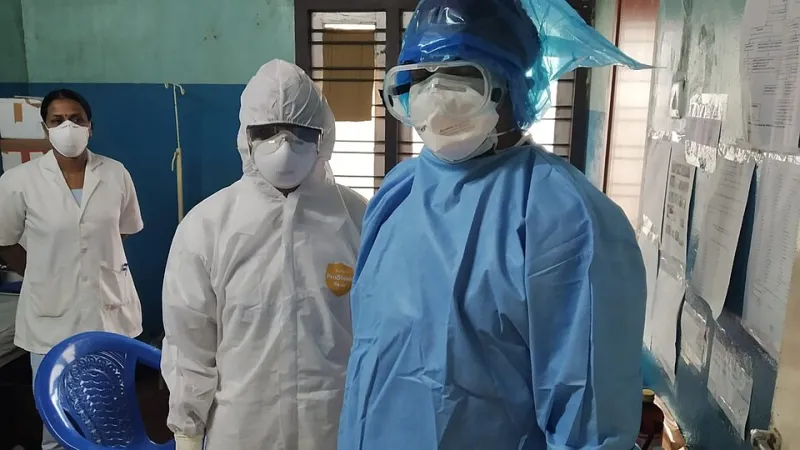
Photo by Photo by Vitaly Gariev on Unsplash on Unsplash
There is a familiar logic that runs through many households across the United States: if nothing feels wrong, nothing is wrong. A routine mammogram gets rescheduled. A colonoscopy recommendation sits on the refrigerator door, ignored for another season. The annual physical is pushed to next quarter, then next year. Life is busy. Copays add up. And besides—you feel fine.
But medicine does not operate on the same timeline as human perception. Conditions such as hypertension, type 2 diabetes, colorectal cancer, and cardiovascular disease frequently develop in silence, progressing through stages that carry no obvious symptoms until intervention becomes dramatically more complex—and dramatically more expensive. At City Hospital Damoh, we believe that understanding the true cost of delayed care is one of the most powerful tools a patient can carry into their health journey.
The Numbers Don't Lie: What Delay Actually Costs
The financial argument for preventive care is not abstract. According to the Centers for Disease Control and Prevention (CDC), chronic diseases account for approximately 90 percent of the nation's $4.1 trillion in annual healthcare expenditures. Many of those conditions are either preventable or significantly more manageable when caught early.
Consider colorectal cancer. When detected at its earliest stage—Stage I—the five-year survival rate exceeds 90 percent, and treatment costs average between $10,000 and $30,000. By the time the disease reaches Stage IV, survival rates drop below 15 percent, and treatment costs can climb past $200,000, often extending across multiple years of chemotherapy, surgery, and palliative care. A colonoscopy, by contrast, costs between $1,500 and $3,000—and under the Affordable Care Act, is covered at no out-of-pocket cost for most insured Americans when performed as a preventive screening.
The arithmetic is not subtle. Yet millions of eligible Americans remain unscreened.
Similar patterns emerge across nearly every category of preventive medicine. Unmanaged hypertension leads to stroke and heart disease. Undetected prediabetes progresses to full type 2 diabetes, with its associated neuropathy, kidney disease, and vision loss. Missed vaccinations for influenza and pneumococcal disease result in hospitalizations that cost an average of $20,000 or more per admission—costs borne by patients, insurers, and the broader healthcare system alike.
The Hidden Costs Beyond the Medical Bill
The financial burden of delayed care extends well beyond hospital invoices. When a working-age adult is hospitalized for an advanced illness that could have been caught earlier, the economic ripple effect touches their entire household.
Lost wages during extended recovery periods represent one significant category. According to a 2022 report from the Kaiser Family Foundation, medical illness is a contributing factor in more than 60 percent of personal bankruptcies filed in the United States. These are not primarily uninsured individuals—many had coverage but were unprepared for the magnitude of out-of-pocket expenses that accompany serious, late-stage diagnoses.
There is also the cost of caregiving. A family member who steps away from employment to care for a seriously ill relative sacrifices not only current income but retirement contributions, career advancement, and long-term earning potential. These are costs that never appear on a hospital statement but are devastatingly real.
And then there is the cost that no dollar figure can adequately represent: time. Time with children and grandchildren. Time pursuing work that matters. Time living life on one's own terms rather than navigating treatment schedules, medication regimens, and the emotional weight of a serious diagnosis.
Why People Delay—and Why Those Reasons Deserve Compassion
At City Hospital Damoh, we recognize that the decision to postpone preventive care is rarely born from indifference. Fear is one of the most frequently cited barriers—fear of a bad diagnosis, fear of the procedure itself, or fear of what the results might mean for employment, insurance, or family dynamics. These concerns are legitimate, and they deserve acknowledgment rather than dismissal.
Financial anxiety also plays a measurable role. Even with insurance, deductibles and copays create real deterrents for many families. Transportation, childcare, and the difficulty of taking time off work compound the obstacle. For patients in rural or underserved communities, access to specialists and screening facilities may require significant travel.
Understanding these barriers is the first step toward dismantling them. Preventive care advocacy means meeting patients where they are—providing clear information about what screenings are covered, offering flexible scheduling, and ensuring that the care environment feels safe and welcoming rather than clinical and intimidating.
What Early Detection Actually Looks Like in Practice
Consider a patient in her mid-forties who schedules a routine lipid panel as part of her annual physical. Results reveal significantly elevated LDL cholesterol—a finding that, on its own, produces no symptoms. With dietary counseling, a modest exercise plan, and a low-dose statin, her cardiovascular risk is substantially reduced over the following two years. She never experiences a heart attack. She never requires cardiac surgery. She never misses work for a prolonged recovery.
That story does not generate headlines. It does not appear in medical journals. But it represents the quiet, cumulative power of preventive medicine—and it plays out thousands of times daily in clinics and hospitals across the country when patients commit to showing up for their health before a crisis demands it.
Making Preventive Care a Priority, Not a Postponement
The path forward begins with a single, concrete action: scheduling the appointment you have been putting off. Whether that means a long-overdue physical, a recommended cancer screening, or an immunization consultation, the act of booking that visit is itself a meaningful investment in your future.
City Hospital Damoh encourages every member of our community to review the U.S. Preventive Services Task Force (USPSTF) guidelines for age-appropriate screenings and to speak openly with a primary care provider about which preventive measures apply to their individual health profile. Many screenings are covered in full under current insurance regulations—meaning the financial barrier may be smaller than assumed.
Compassionate care begins before illness takes hold. It begins with the decision to treat your health as the irreplaceable asset it truly is—not something to be addressed when circumstances force the issue, but something to be protected, consistently and deliberately, long before the stakes become dire.