Rest Is Medicine: Why Hospital Noise Disrupts Healing and How We Are Changing That
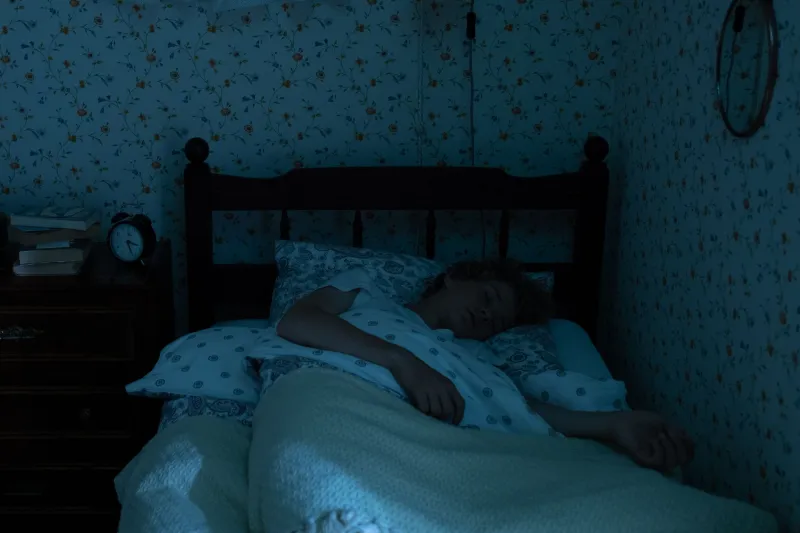
There is a quiet paradox embedded in the experience of hospital care: the very environment designed to restore a patient's health can, at times, work against that goal. Bright corridor lights at midnight, the persistent beeping of monitoring equipment, conversations carried through thin walls, the rhythmic roll of supply carts—these are not minor inconveniences. For a patient whose body is fighting infection, recovering from surgery, or managing a chronic condition, disrupted sleep is a clinical problem with measurable consequences.
At City Hospital Damoh, we believe that compassionate care extends beyond the procedures performed in a treatment room. It reaches into the quietest hours of the night, when healing happens most profoundly—and when patients are most vulnerable to the hidden harm of sleep deprivation.
What the Science Tells Us About Sleep and Recovery
Sleep is not passive. During deep, restorative sleep stages, the human body accelerates tissue repair, regulates inflammatory responses, consolidates immune function, and stabilizes cardiovascular rhythms. Research published in leading medical journals has demonstrated that patients who experience fragmented or insufficient sleep during hospitalization face a range of measurable setbacks: longer lengths of stay, elevated pain sensitivity, impaired wound healing, increased risk of delirium—particularly among older adults—and greater susceptibility to hospital-acquired infections.
The connection between sleep deprivation and delirium is especially concerning. Hospital-acquired delirium, a state of acute confusion that can emerge when sleep cycles are severely disrupted, affects a significant percentage of hospitalized patients over the age of 65 and is associated with longer recovery timelines and higher rates of cognitive decline following discharge. What might appear to be a manageable nuisance—a noisy hallway at 2 a.m.—can, in clinical terms, translate into a serious and preventable complication.
Beyond the physical dimension, sleep deprivation compounds emotional distress. Patients who are already anxious about their diagnosis or treatment plan become more emotionally fragile, less capable of processing medical information clearly, and less equipped to participate meaningfully in their own care decisions.
Where the Noise Comes From
Understanding the problem requires an honest accounting of its sources. In a typical hospital environment, noise levels during nighttime hours frequently exceed the thresholds recommended by the World Health Organization, which advises that hospital wards maintain sound levels below 35 decibels at night—roughly equivalent to a quiet library. Studies have recorded average nighttime noise levels in many hospital settings well above 50 decibels, with spikes reaching 70 decibels or higher.
The contributors are numerous and often systemic:
- Staff communication, including conversations at nursing stations and shift-change handoffs conducted in hallways adjacent to patient rooms
- Medical equipment alarms, many of which are set to default sensitivity levels that trigger frequent false alerts
- Procedural interruptions, such as vital sign checks and medication administration scheduled at intervals that fragment sleep rather than work around it
- Environmental factors, including overhead paging systems, elevator noise, and HVAC equipment
- Other patients, particularly in shared room configurations where one patient's distress or restlessness disturbs another
None of these sources exist because of carelessness. They are largely the byproduct of a healthcare system built around clinical efficiency—one that has, historically, underweighted the therapeutic value of uninterrupted rest.
City Hospital Damoh's Commitment to Restorative Sleep
Recognizing this gap, City Hospital Damoh has implemented a multi-layered approach to protecting patient sleep—one grounded in research, guided by patient feedback, and embedded into our daily operational culture.
Structured Quiet Hours Protocols
Our facility observes designated quiet hours each evening, during which overhead paging is minimized, hallway conversations are conducted in lowered tones, and non-urgent clinical tasks are clustered to reduce the number of room entries during nighttime hours. Staff members receive ongoing training on the importance of noise awareness and are encouraged to view sleep protection as an active clinical responsibility rather than a secondary consideration.
Smarter Alarm Management
One of the most impactful changes we have made involves the management of medical equipment alarms. By working with clinical teams to calibrate alarm thresholds more precisely and to reduce unnecessary default alerts, we have significantly decreased the frequency of nighttime alarm events without compromising patient safety. This practice—sometimes referred to as alarm stewardship—is increasingly recognized as both a safety initiative and a sleep-protection measure.
Scheduling That Respects Sleep Architecture
Where clinically appropriate, our care teams work to consolidate nighttime check-ins, grouping vital sign assessments and medication rounds to preserve longer uninterrupted sleep intervals. This approach requires coordination and flexibility, but it reflects our understanding that a patient who sleeps soundly for four consecutive hours recovers more effectively than one who receives individually necessary but collectively disruptive visits every 45 minutes throughout the night.
Environmental Design and Noise-Reduction Technology
City Hospital Damoh has invested in environmental modifications designed to absorb and attenuate sound. Sound-dampening materials in high-traffic corridors, door designs that minimize noise transmission, and the strategic placement of nursing stations away from patient room clusters all contribute to a measurably quieter environment. We continue to evaluate emerging noise-reduction technologies as part of our ongoing facility improvement planning.
Private Rest Spaces and Patient-Centered Accommodations
For patients whose conditions or circumstances make shared-room environments particularly disruptive, we prioritize access to private accommodations whenever possible. We also provide patients and their families with resources—including sleep hygiene guidance, access to white noise options, and information about how to communicate rest-related needs to their care team—so that individuals can advocate effectively for their own recovery.
What Patients and Families Can Do
While the institutional responsibility for creating a healing environment rests with us, patients and their support networks play a meaningful role as well. We encourage patients to:
- Communicate openly with nursing staff about sleep difficulties, particularly if nighttime interruptions are affecting rest
- Ask questions about which overnight checks are clinically essential versus those that may be adjustable
- Limit visitor activity during designated quiet hours to protect their own rest
- Request accommodations such as earplugs, sleep masks, or adjusted room lighting if these would support better sleep
Our care teams welcome these conversations. A patient who feels empowered to speak up about their rest needs is a partner in their own recovery—and that partnership is central to the philosophy of care we practice at City Hospital Damoh.
Healing in the Fullest Sense
Medicine has made extraordinary advances in diagnostics, surgical technique, and pharmacology. Yet one of the most powerful healing forces available to a hospitalized patient remains the same as it has always been: deep, uninterrupted, restorative sleep. At City Hospital Damoh, we do not treat this as an afterthought. We treat it as medicine.
The commitment to quiet is not simply about comfort. It is about outcomes. It is about returning patients to their families and communities faster, stronger, and more fully recovered. And it is about honoring the full meaning of compassionate care—care that attends not only to what happens during waking hours in a treatment room, but to what the body needs most when the lights go down.